
A Smarter Way to Rent Gear
ROLE
Founding Brand & Product Designer
TIMELINE
Sept 2024 - Apr 2025
TEAM
- •2 Engineers
- •1 Designer
- •Project Manager
SKILLS
- •Research, & Features Ideation
- •Design Process & Collaboration
- •Branding & Visual Design
OVERVIEW
Making Gear More Accessible
Around mid–2024, Miles put out a call for a product and brand designer to help shape a new idea for the Nigerian rental space. After a few conversations with the founding team, I came onboard to help translate that vision into something tangible.
Miles was imagined as a marketplace for renting and listing equipment, from cameras, drones, and lighting kits to projectors, event gear, and production tools. But beyond the platform itself was a larger challenge: bringing more trust, accessibility, and structure into a highly fragmented rental ecosystem.
The idea partly stemmed from a challenge one of the co-founders experienced firsthand while trying to source equipment for an event in Nigeria. Finding the right gear meant jumping between referrals, scattered vendors, inconsistent pricing, and uncertainty around availability or quality. There was no central platform designed specifically for this market.
Miles became an attempt to bridge both sides: helping renters find trusted equipment more easily, while allowing owners turn underused gear into an additional source of income within a more reliable ecosystem.
THE DEVELOPEMENT PROCESS


Discover & Define
- •Ran rapid stakeholder interviews with the Miles founding team to understand their vision, constraints, and what success looked like in year one.
- •We did a field research to see how event planners, and small operators were actually renting equipment today.
- •Audited local and pan-African competitors, plus global references like Fat Llama, to find the positioning gap.

The Brand System
- •Explored visual directions inspired by modular systems, industrial forms, and creator culture rather than traditional marketplace aesthetics.
- •The final system covered logo behaviour, typography, motion direction, iconography, colour, brand voice.
- •Designed the brand to feel equally at home on a Lagos production set and on a billboard in Nairobi

The Experience
- •Mapped two core journeys: renting equipment and listing equipment.
- •Ran quick guerrilla usability tests that reshaped several early product assumptions.
- •Designed key interactions around trust, pricing clarity, availability, booking confidence, and equipment protection.

UI, Systems & Scale
- •Built the design system first, including components, tokens, states, grids, and interaction patterns tied to the brand identity.
- •Designed core experiences across discovery, listings, booking flows, vendor management, dashboards, and responsive mobile views.
- •The result was a scalable marketplace MVP designed for both launch and future expansion.
THE OPPORTUNITY
Why This Needed to Exist
Reports around 2023–2024 showed significant creator-economy growth across Africa, with creators increasingly hiring videographers, editors, and production support. technext24
The entertainment industry also grew to approximately ₦1.97 trillion in 2023, driven largely by film, music production, and content creation. Despite these industries growing rapidly, access to professional equipment remained highly fragmented, referral-driven, and operationally inconsistent. Miles emerged as an attempt to bring more structure into that ecosystem, creating a centralized platform where creators could access trusted equipment more easily, while owners could safely turn underused gear into a recurring source of income.
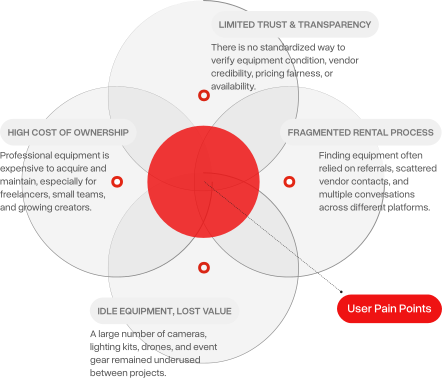
We mapped the biggest friction points affecting both renters and equipment owners, from fragmented discovery and trust issues to underutilized gear and accessibility barriers. These insights helped shape Miles into a more reliable, transparent, and mutually valuable rental ecosystem.
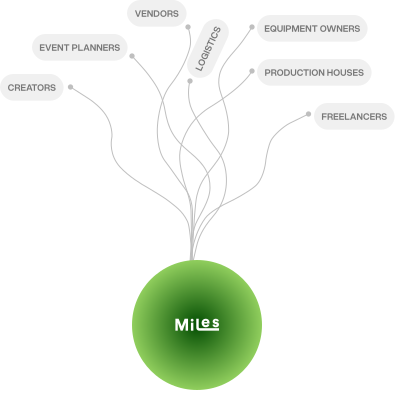
The Miles ecosystem map was informed by early market-sizing research and business assumptions gathered during discovery. Mapping the different players within the rental economy helped us better understand user behaviours, operational complexity, and the relationships shaping the product experience.
BRAND IDENTITY
Identity in Motion
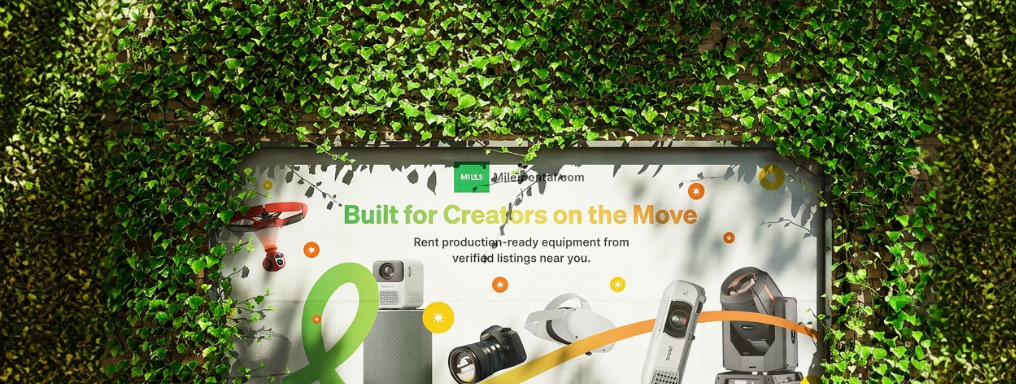
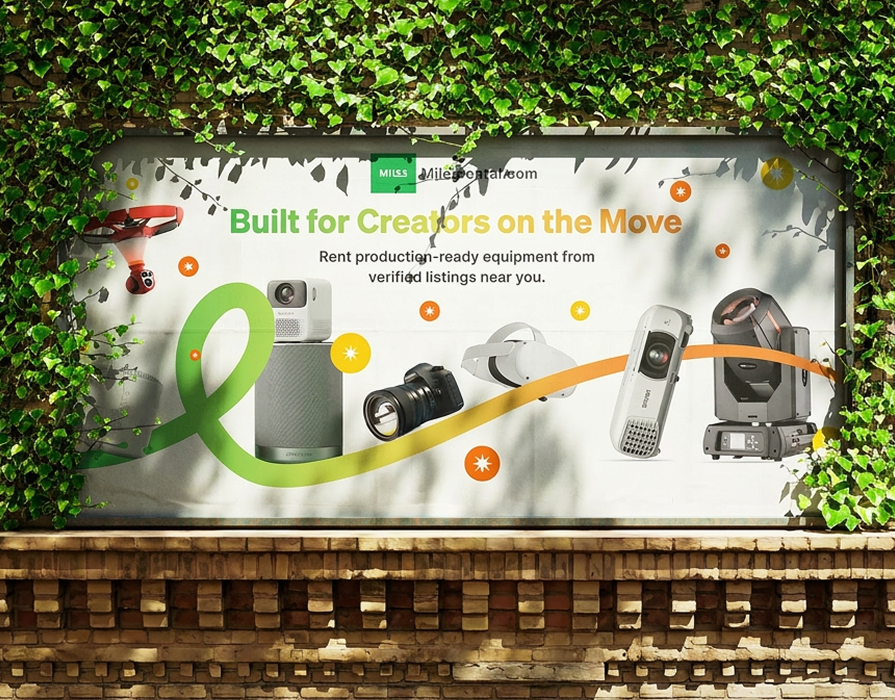
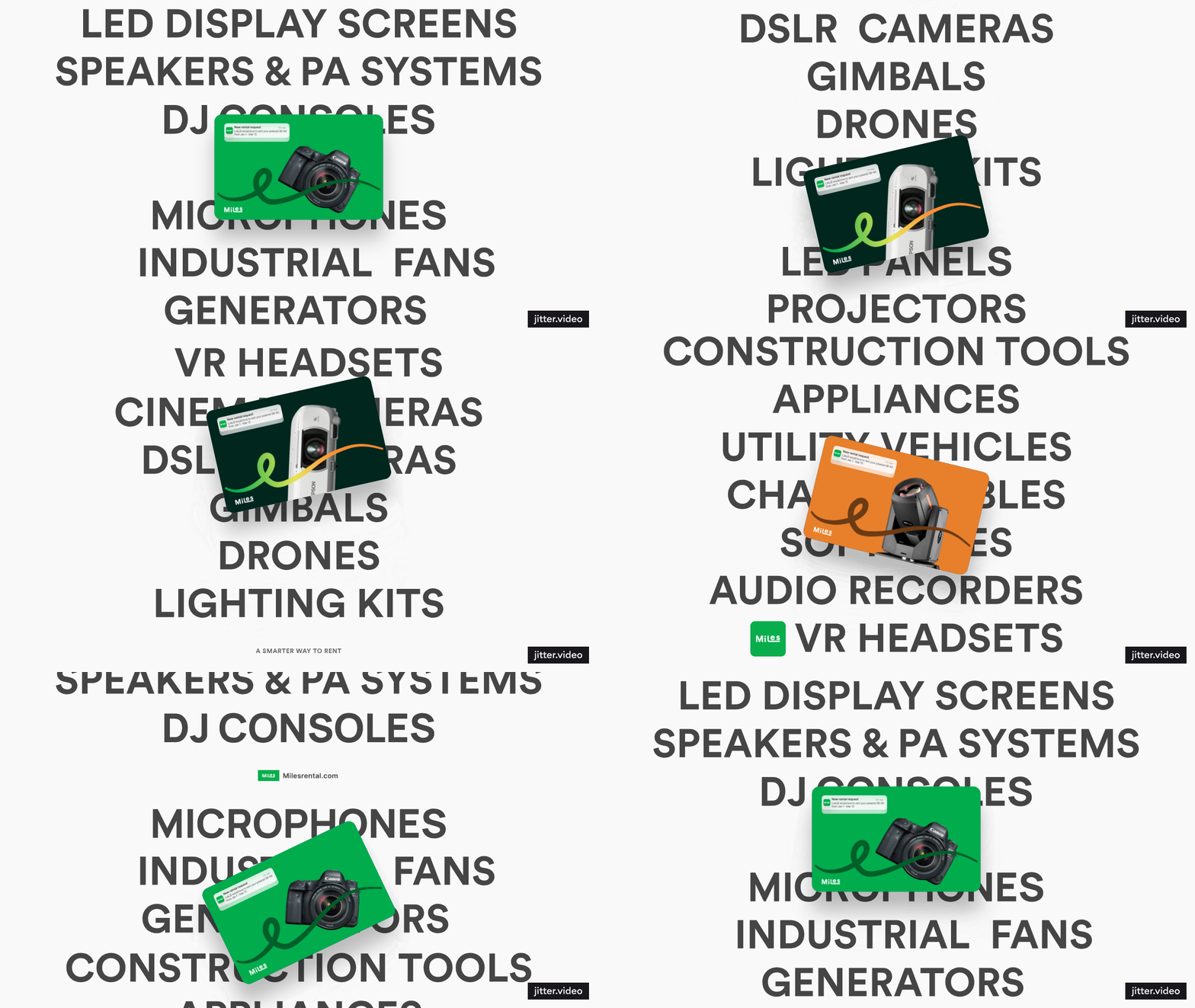
Miles was designed to feel active, flexible, and constantly moving. The identity leaned into cinematic motion, industrial forms, and creator culture to build something that felt native to both digital and real-world environments.
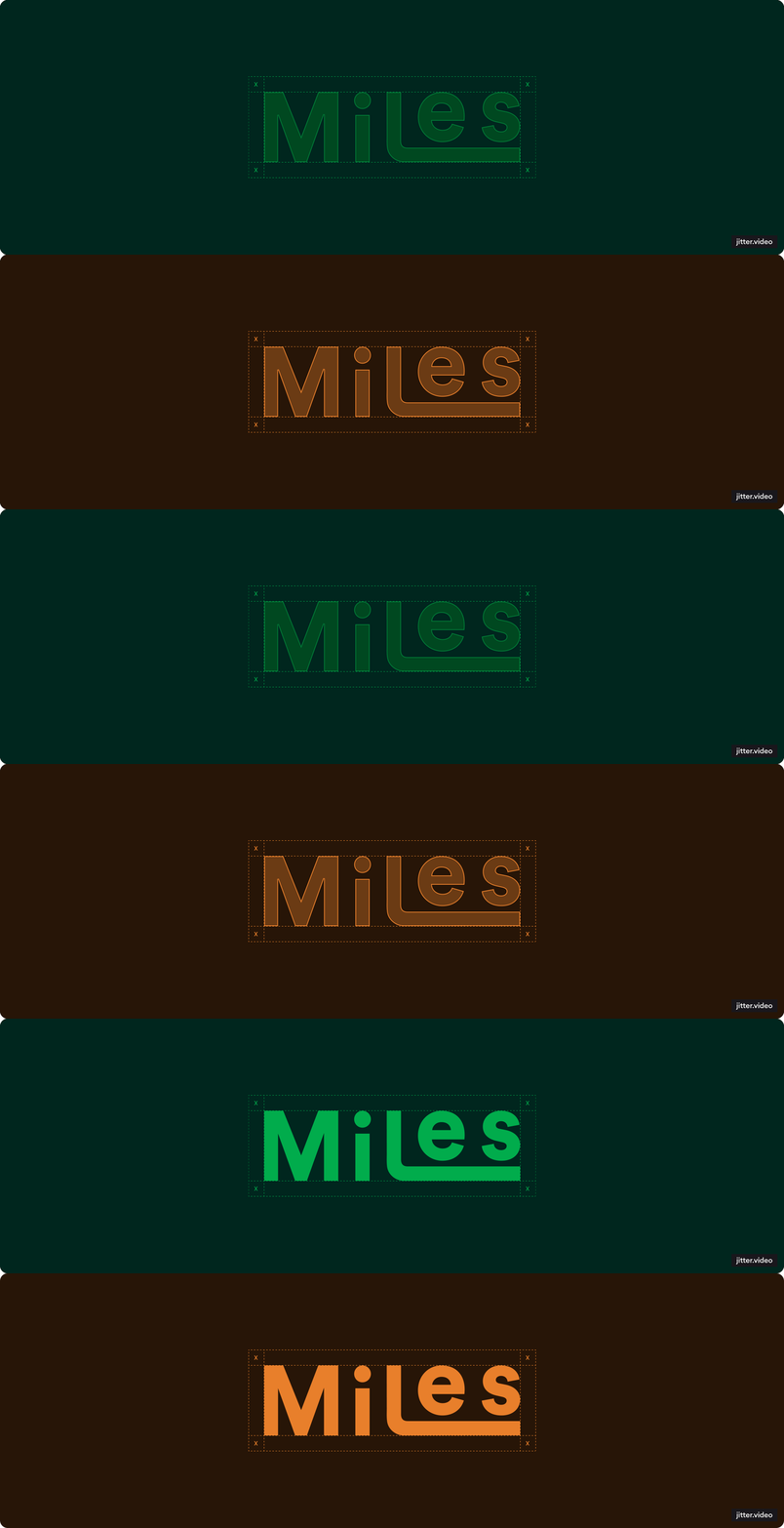
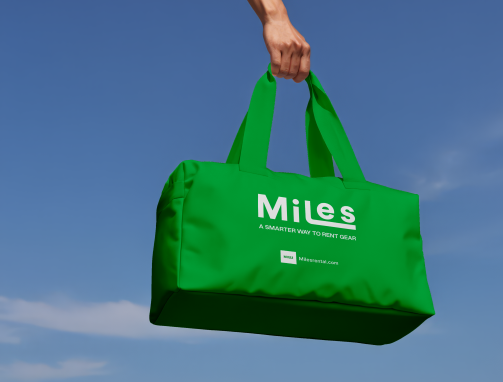
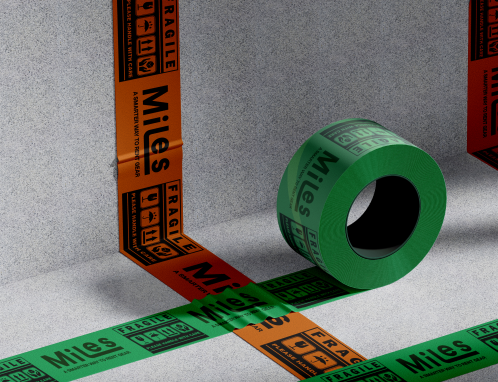
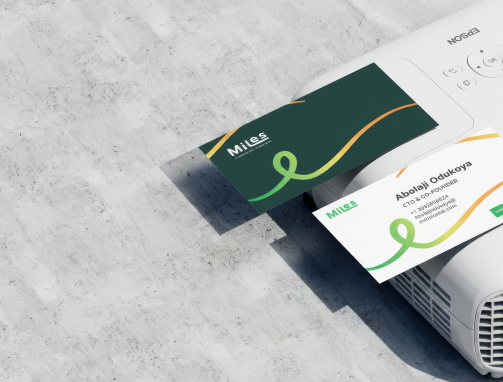
The custom wordmark featured an extended “L” to subtly express movement and range, while the wider system explored how the brand could live across equipment bags, fragile tapes, event setups, and marketing materials.
Because timelines moved quickly, the focus was building a strong, launch-ready foundation first, while leaving room for the motion system and brand world to expand over time.
CORE FLOWS

Manage Listings
Users can add and adjust products directly from the home screen, with a live cart indicator updating in real time.
This seamless flow carries into checkout, enabling a quick, uninterrupted path from selection to payment.

New Item Listings
Users can add and adjust products directly from the home screen, with a live cart indicator updating in real time.
This seamless flow carries into checkout, enabling a quick, uninterrupted path from selection to payment.

Renter Booking Actions
Users can add and adjust products directly from the home screen, with a live cart indicator updating in real time.
This seamless flow carries into checkout, enabling a quick, uninterrupted path from selection to payment.
Lister Booking Actions
Users can add and adjust products directly from the home screen, with a live cart indicator updating in real time.
This seamless flow carries into checkout, enabling a quick, uninterrupted path from selection to payment.
Lister Booking Dashboard
Users can add and adjust products directly from the home screen, with a live cart indicator updating in real time.
This seamless flow carries into checkout, enabling a quick, uninterrupted path from selection to payment.
ACCESS & OWNERSHIP
Two Sides of the Marketplace
Miles was designed around two very different user mindsets; people looking to rent equipment quickly, and people looking to safely earn from equipment they already owned.
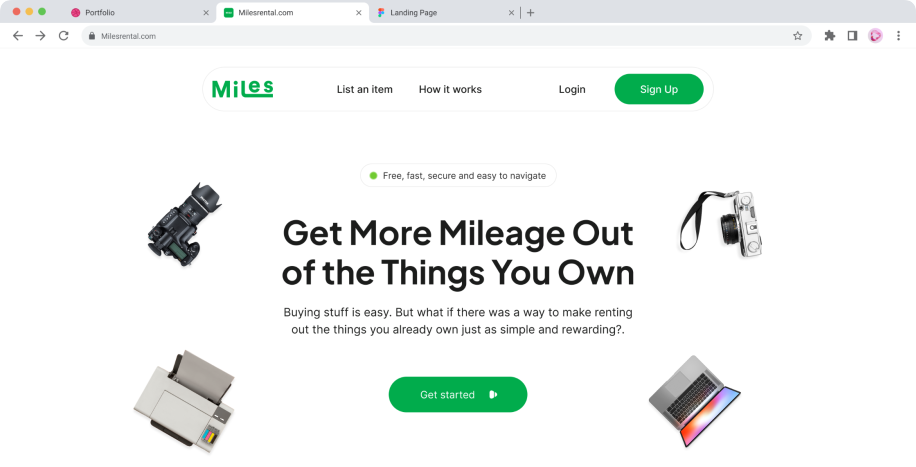
To support both, we designed two lightweight web experiences that explained the platform in the simplest way possible. The renter side focused on discovery, trust, and fast access to available equipment, while the lister side focused more on ownership, passive income, and how Miles would help protect and manage their gear.
The goal was clarity at first glance. We stripped away unnecessary complexity and focused on building something that felt approachable, easy to navigate, and ready for market launch.
/haɪ/ For the best experience, kindly open this section on a PC.
THE STATE OF MILES
Still Waiting for Day One
Miles gained strong early traction before launch, onboarding over 200 verified listers across multiple equipment categories in Lagos alone. The momentum was real, and plans for expansion were already beginning to take shape.
But only weeks before launch, funding challenges forced the project into pause. Even so, the founding team still believes in the idea and hopes to eventually bring Miles back to life.
Because of that possibility, some parts of the product and a few strategic features remain intentionally undisclosed here. Still, even in its unfinished state, Miles remains one of the clearest examples of a product solving a very real gap in the market.
WHAT BUILDING MILES FELT LIKE
Building Miles was one of the first times I truly understood how complex it is to build and scale products within the Nigerian ecosystem. Beyond design itself, it exposed me to the realities founders navigate every day, from operational uncertainty to policies and systems that don’t always make building easy.
At the same time, it was an exciting creative challenge. It pushed me to think beyond isolated screens and design a product where the brand, motion, interface, and overall experience all felt connected as one system. I became deeply invested in the product itself, not just how it looked, but how it felt to use, trust, and interact with.
There were still many ideas we hoped to explore, and honestly, some of them still stay with me. Miles may have paused, but it remains one of those projects that shaped how I think about design, products, and building for real-world environments.
A special thanks to Lolu Bodunwa formerly of Google, whose thinking helped breakdown the complexies. To Abolaji Odukoya, co- founder of Miles, thank you for trusting me with bringing the User Interface and branding to life. And to PrinceWill, who helped bring some of my wild ideas to life through code, alongside the rest of the team that worked tirelessly on the project, thank you. It was genuinely exciting building this together.